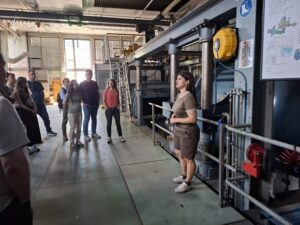
 The day before the official opening, the consortium visited EPFL’s facilities in Lausanne, guided by Elena Vagnoni, leader of Work Package 2 – Flexibility Solutions. She walked the group through four test rigs, with the final one reserved for ReHydro’s own work.
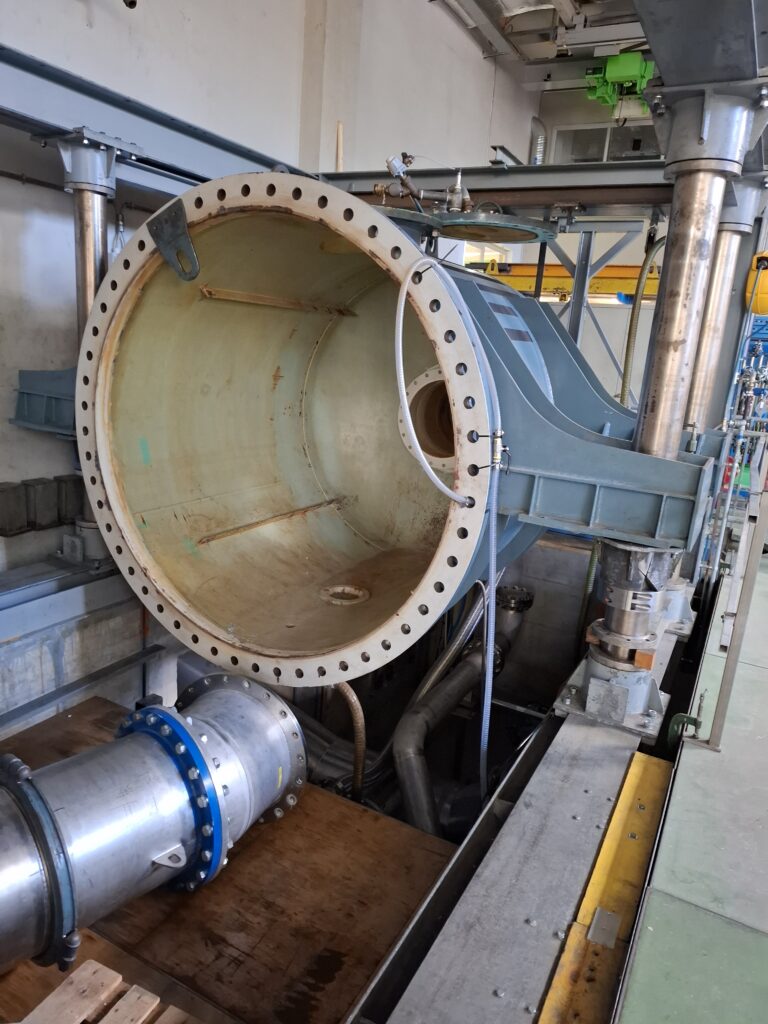
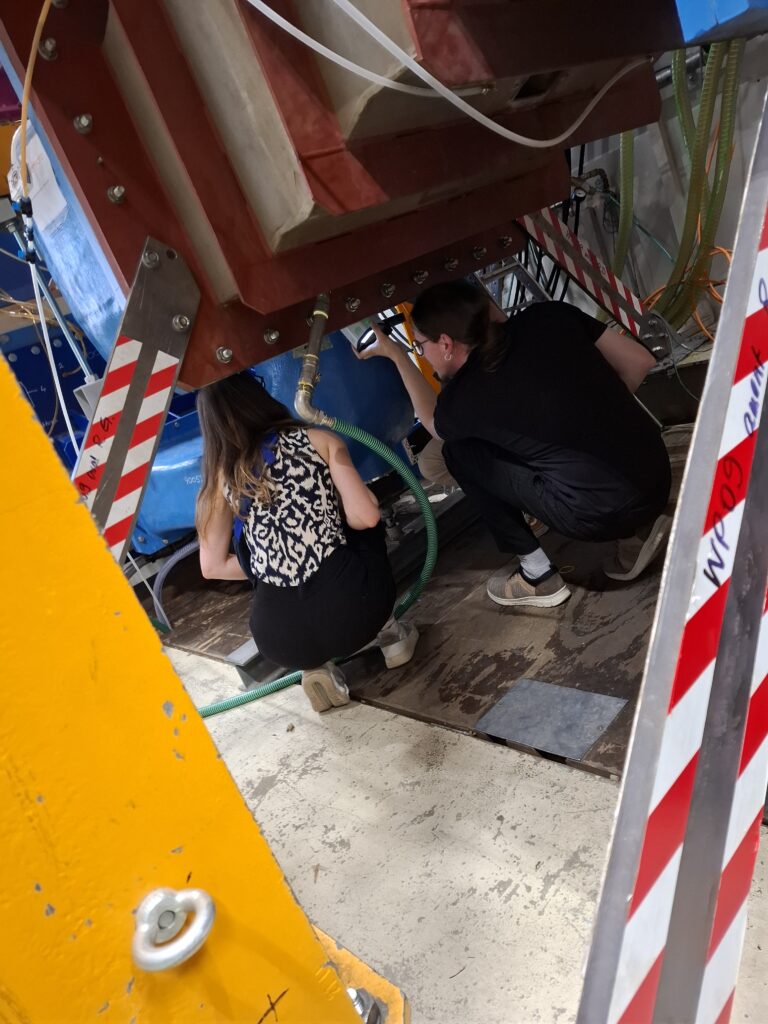
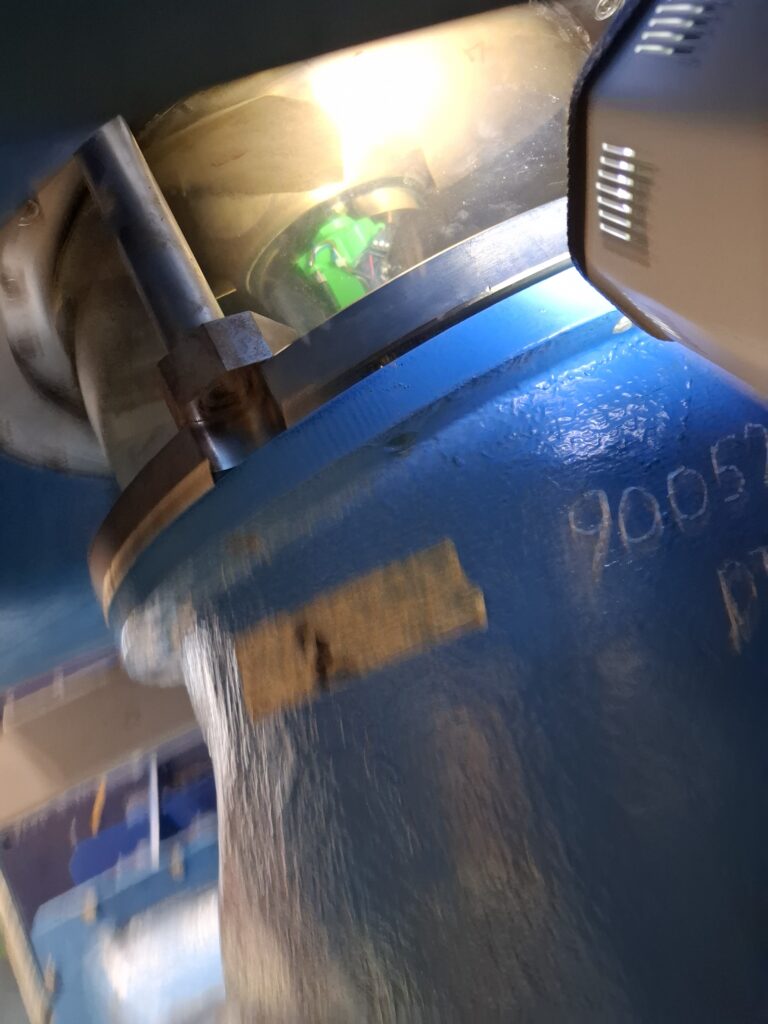
In it, a Kaplan turbine hybridized with a battery was spinning at 1,500 rounds per minute. The only way to properly see it in action was under a flashing strobe light- and by quite literally going underneath the rig.
It was a fitting first in-person look at the work done in WP2. One of the central challenges hydropower faces today is the growing demand for flexibility: turbines are increasingly required to turn on and off rapidly in response to sudden spikes in energy demand, which accelerates wear and tear well beyond what they’d normally experience. When a turbine is hybridized with a battery, the battery can serve as an instantaneous energy source, absorbing the pressure of those sharp demand peaks and allowing the turbine to run at a steadier pace. This reduces wear while still delivering the flexibility the modern grid requires. By varying environmental parameters in the test rig, such as head heights and river water levels, this can be tested in detail and under realistic conditions.
Getting a tour of the laboratory was a great start to the week, but by far not the only excursion planned for it.
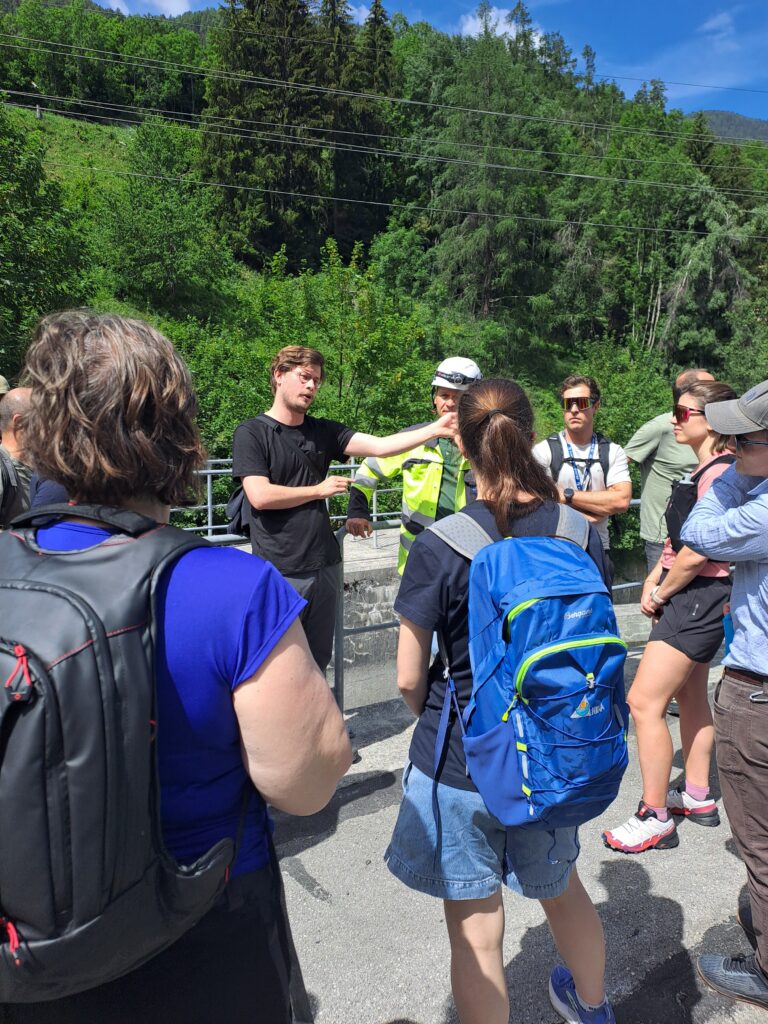
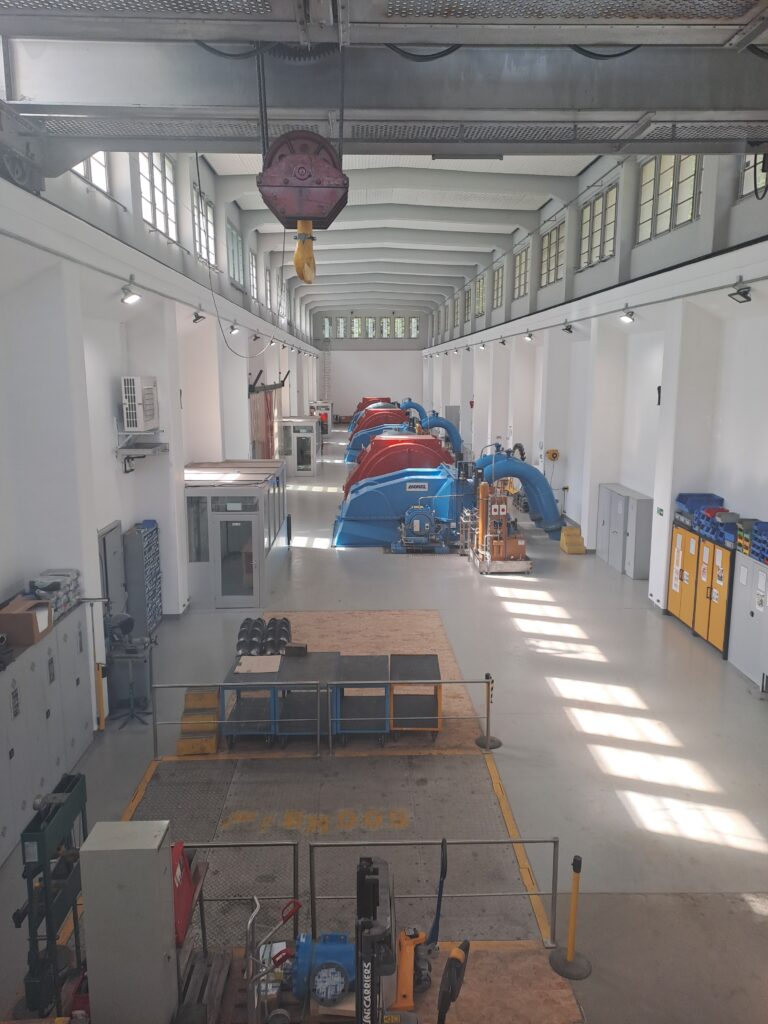
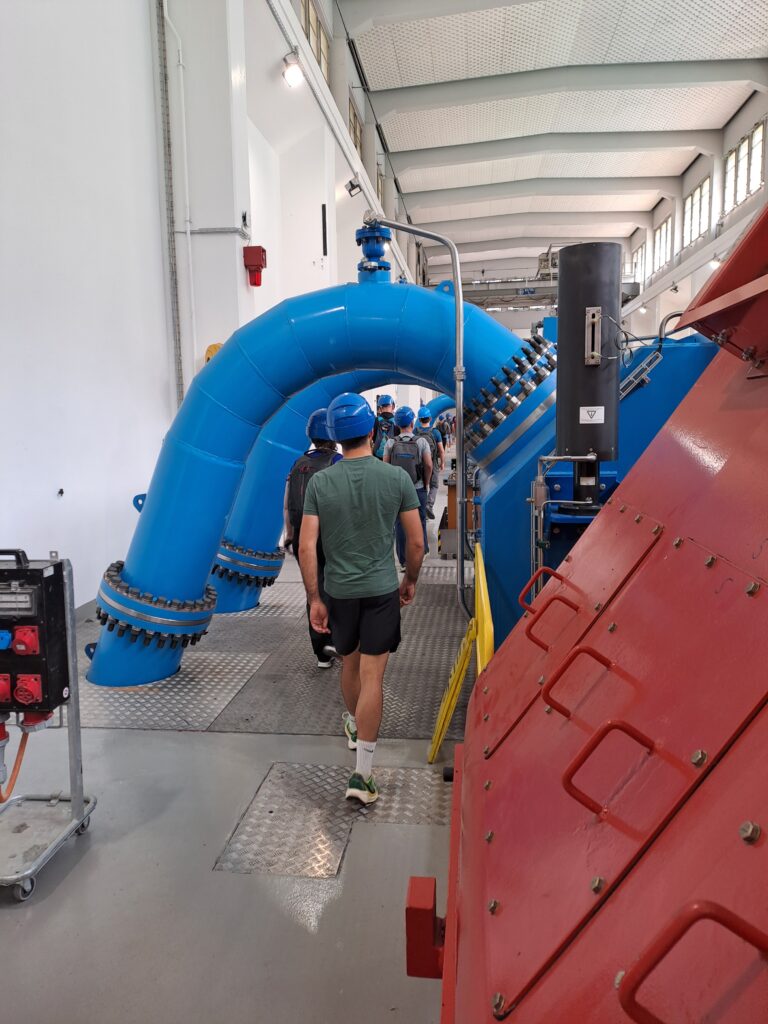
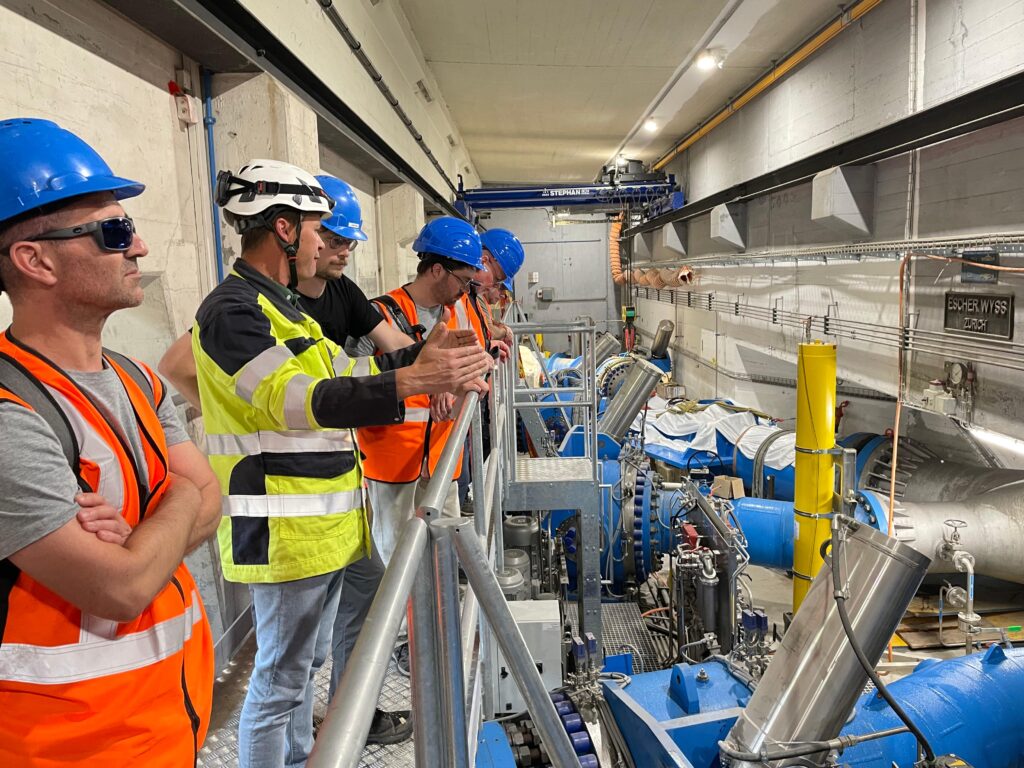
 With all Work Package updates already covered on the opening day, the final day of presentations focused on updates from ReHydro’s demonstration sites. Overall, things are going very well. Some adjustments to earlier plans have been made to better align with ongoing refurbishment efforts at the sites, and the first publishable results are expected soon.
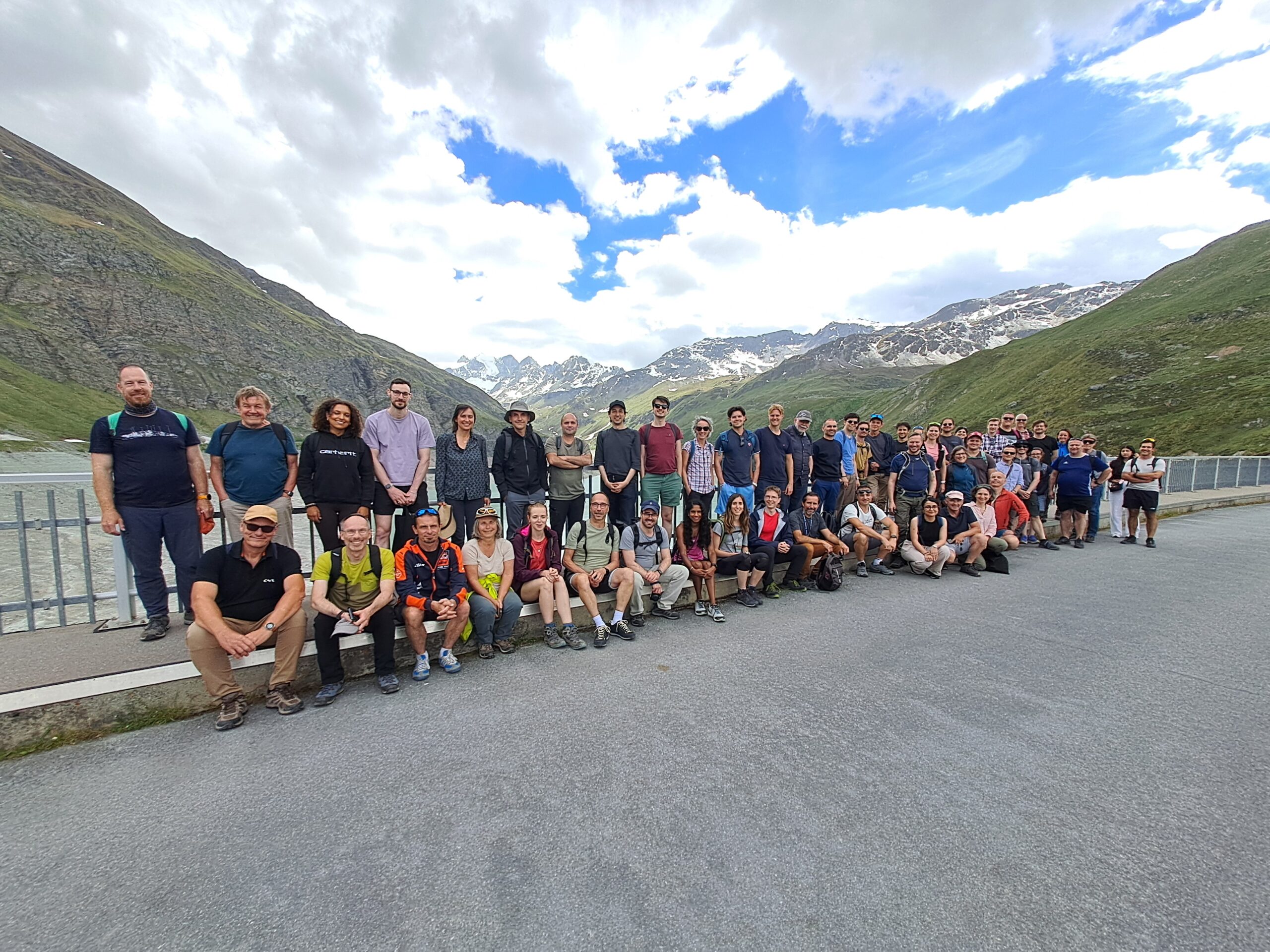
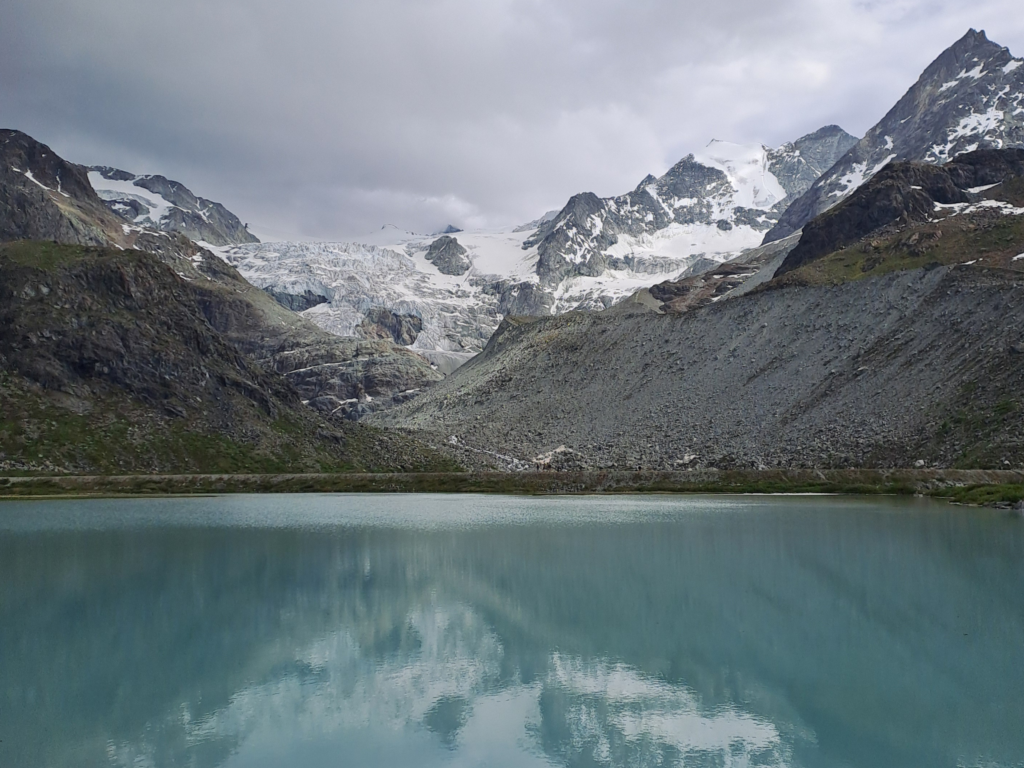
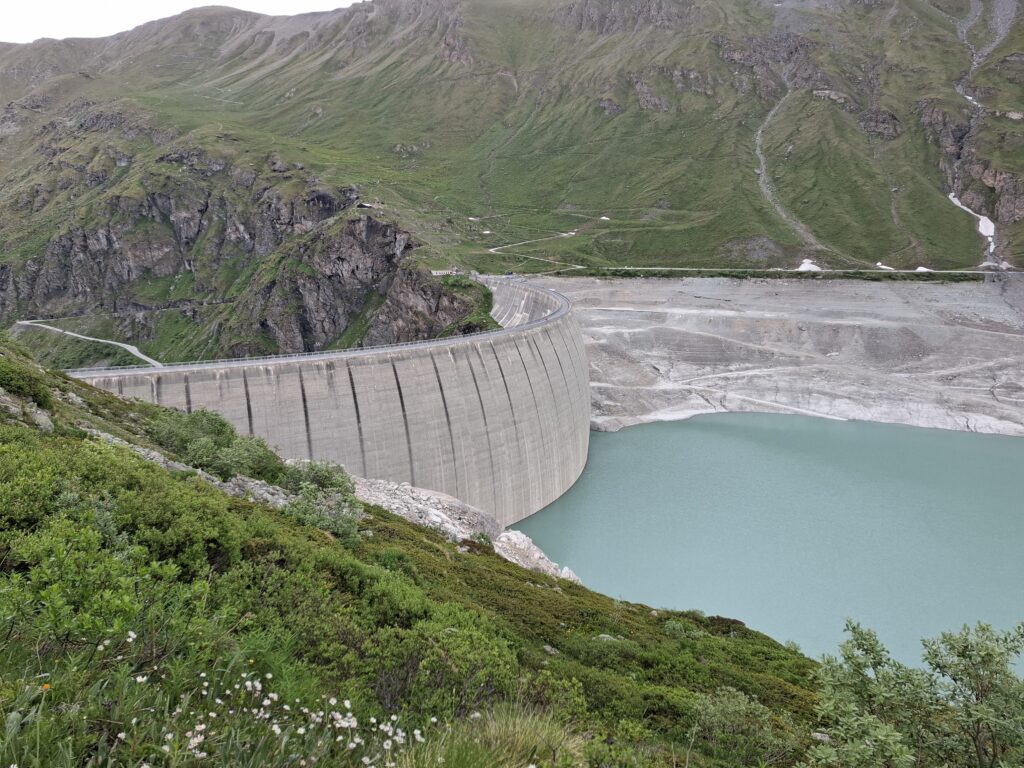
This also freed up time for something that tends to generate some of the most valuable conversations of any consortium meeting: structured group work. With people from all partner organisations and work packages deliberately mixed together, the groups tackled ReHydro’s core themes: flexibility in pumped storage and hybridization with batteries, fish migration and turbine passage, societal services, economic sustainability and markets, and climate change resilience. The last of these sparked particularly lively discussion, fresh off the visit to Moiry Dam and the visible impact of glacial retreat on water availability. Bringing together people from different workstreams was intentional, and the energy in those groups showed it was worth it.
The meeting closed with final words from project coordinator Atle Harby and advisor Klaus Jorde, before the group headed into summer with new ideas and renewed energy.