External Modernisation Survey and Workshop offer Insights into Hydropower Plant Operators’ Needs

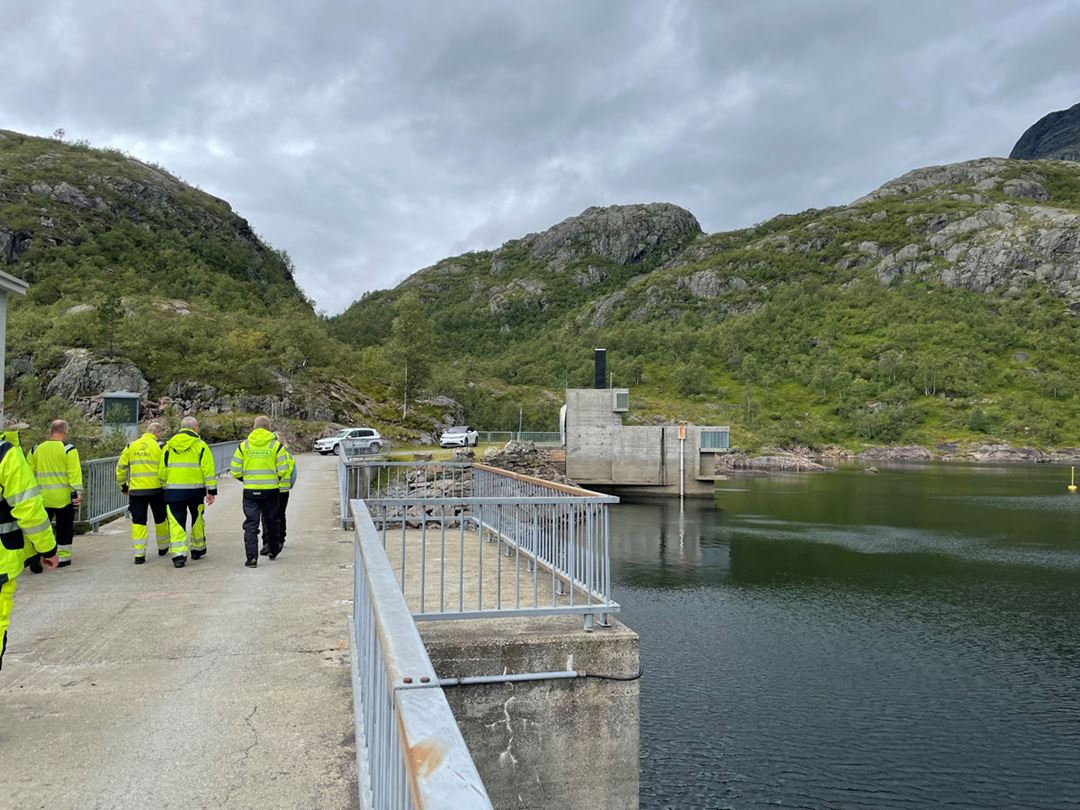
For the past months, our partners working on the business side of ReHydro have conducted a survey aimed at hydropower professionals across Europe, focusing on hydropower modernisation within the European hydropower fleet, to better understand the key drivers behind modernisation efforts and to identify the main barriers faced by the sector.

The survey was rolled out in three phases: Phase one focused on internal surveying among the ReHydro project partners, phase two gathered data from a number of select hydropower operators, and phase three opened the survey up to the public and any relevant hydropower plant personnel that would help us close any remaining gaps in knowledge.

All three phases have been completed within the first quarter of 2025. On April 11th, a workshop was held with many of the survey’s participants to discuss and finalise conclusions. Viewing the results within specific contexts was also made possible through the direct dialogue with participants.

We were able to obtain responses from companies representing 121 GW, about half of the European hydropower fleet, gathering information from 34 individual companies of all sizes. These utilities are geographically representative of all of Europe, which provides us with solid data to align our research focus with the needs of the hydropower sector.

The survey led us to three key conclusions:

  • About a quarter of the European hydropower fleet was partially modernised within the past ten years.
  • The main trigger of hydropower modernisation is to make sure assets keep producing electricity, for example, by reducing planned and unplanned downtimes.
  • Uncertainties are the main challenges the sector faces when planning modernisation projects (see graph below).
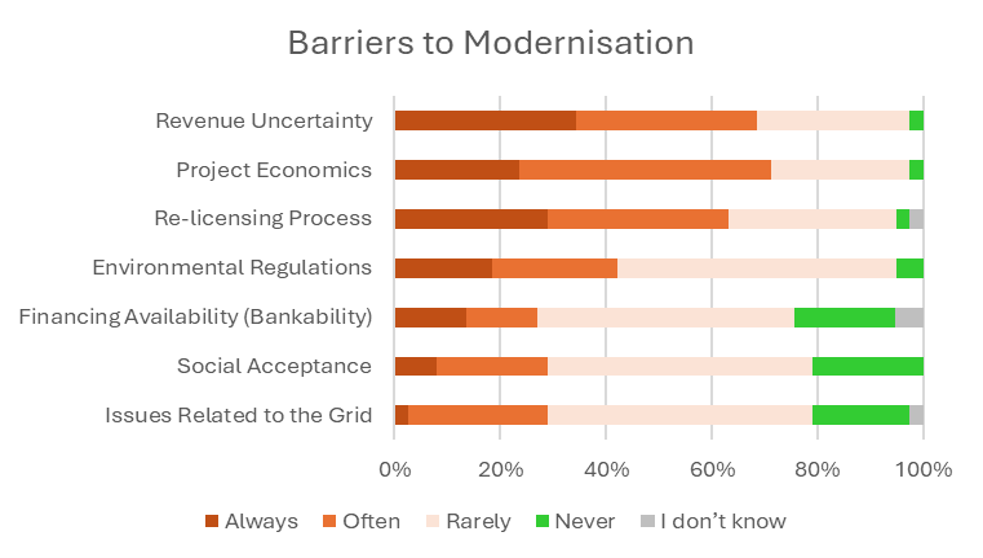
Barriers to modernisation from the perspective of the survey’s participants.

Going forward, the data we collected will help us align our actions within ReHydro with the needs of the hydropower sector. The workshop held together with the participants also fostered connection and provided contextual insights into the challenges faced by hydropower experts, making for a great first ReHydro-organised event.
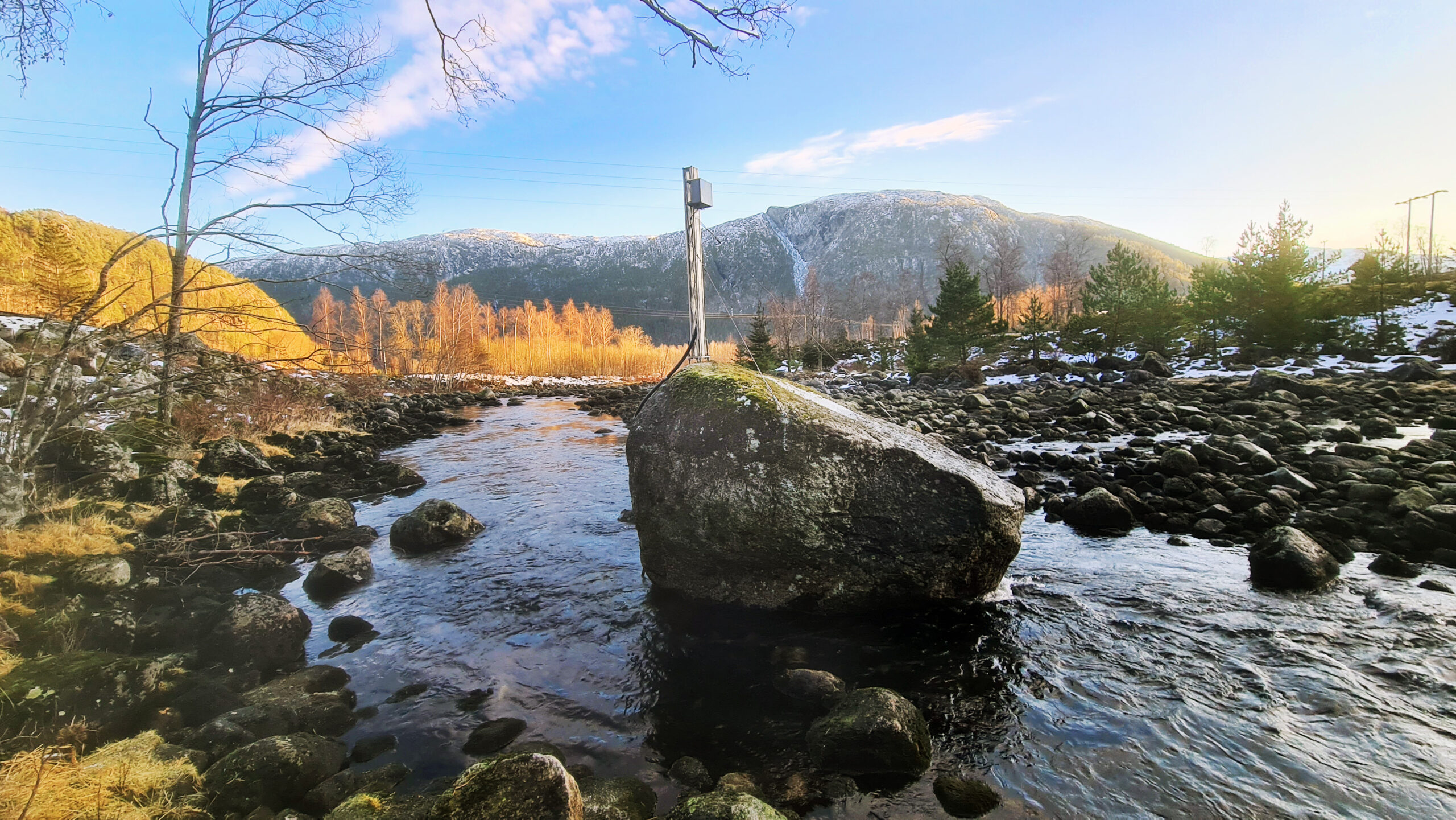
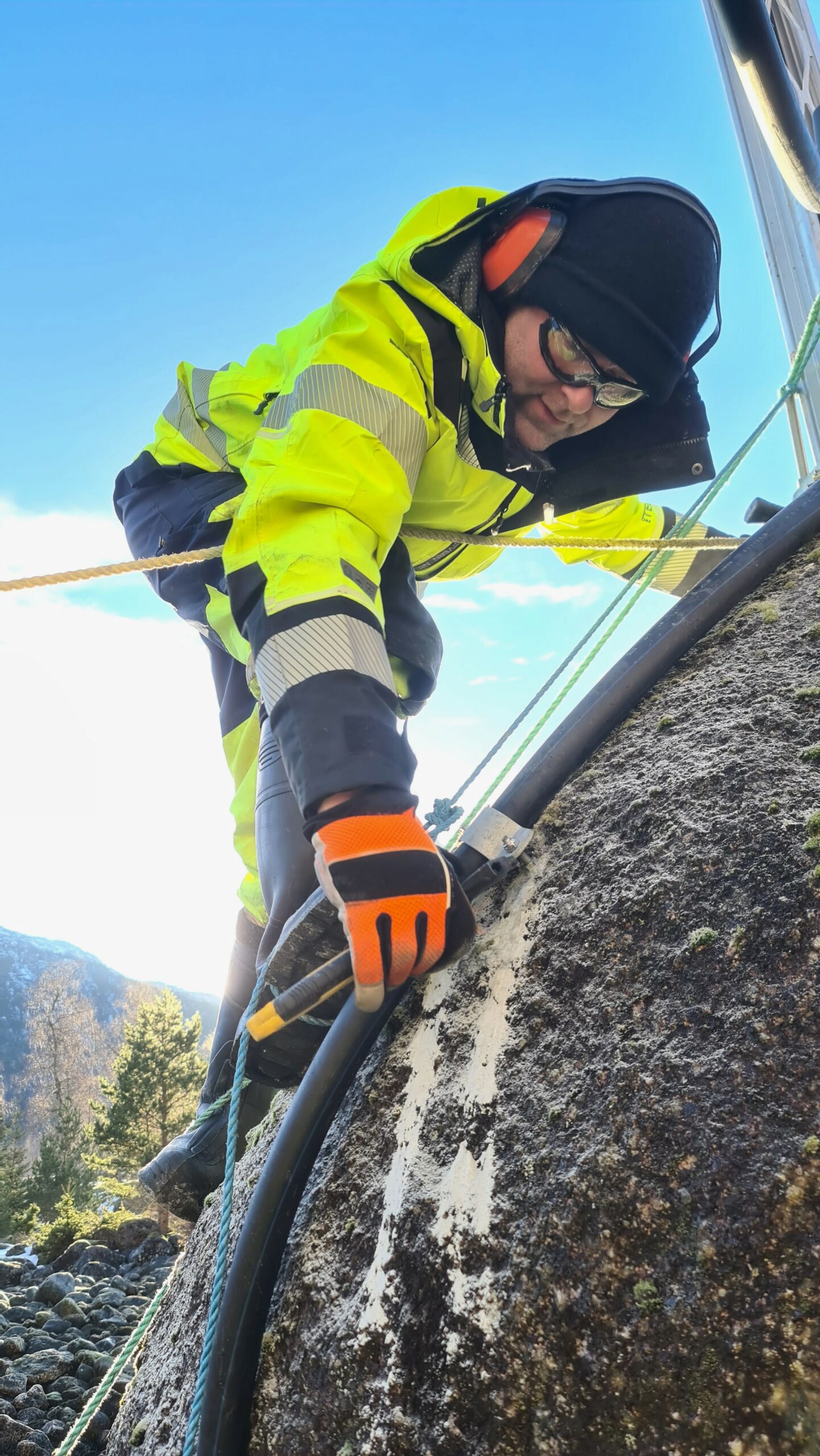
Installation of monitoring system in Brattlandsdalsåi

Sustainable Hydropower starts with better data!

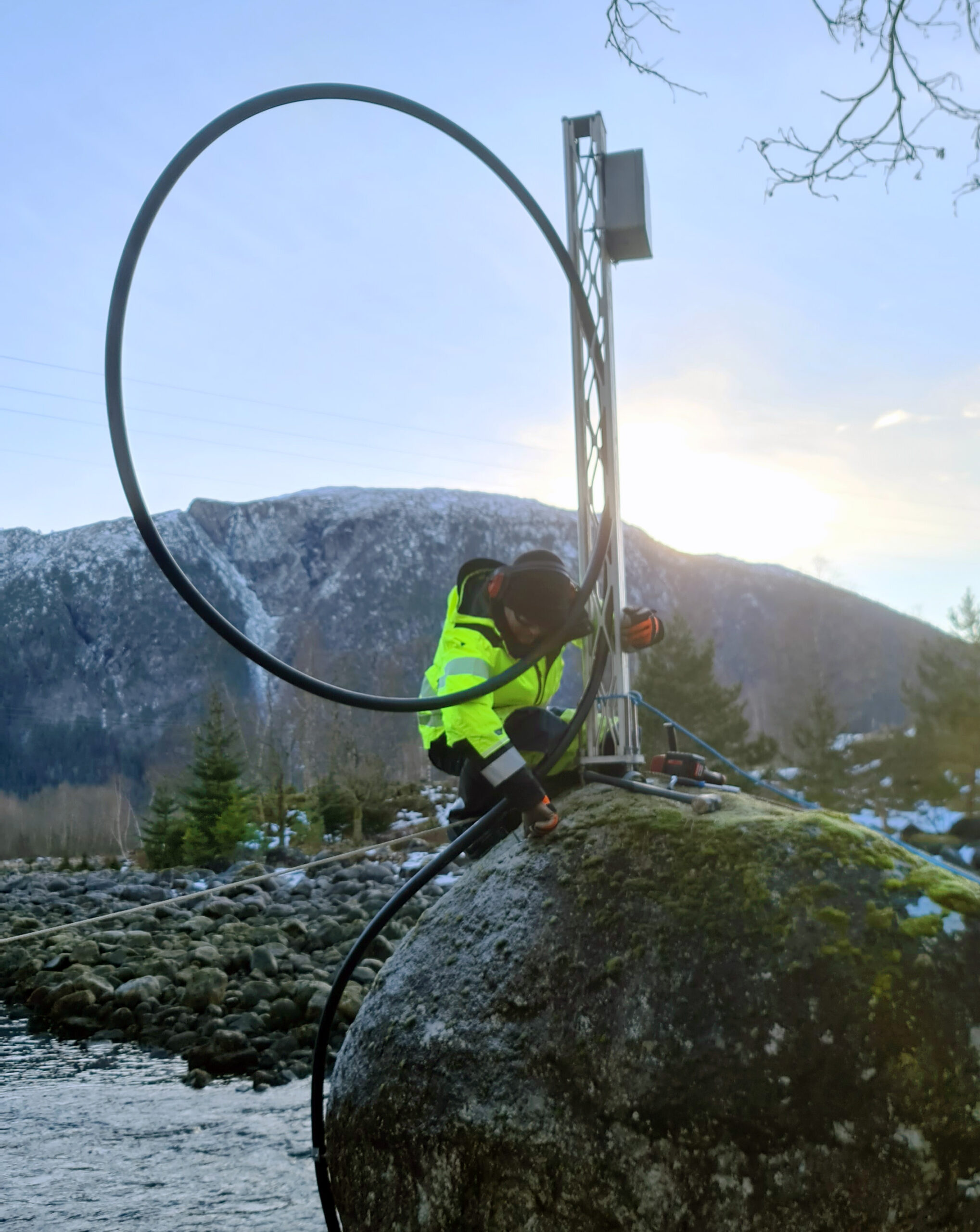
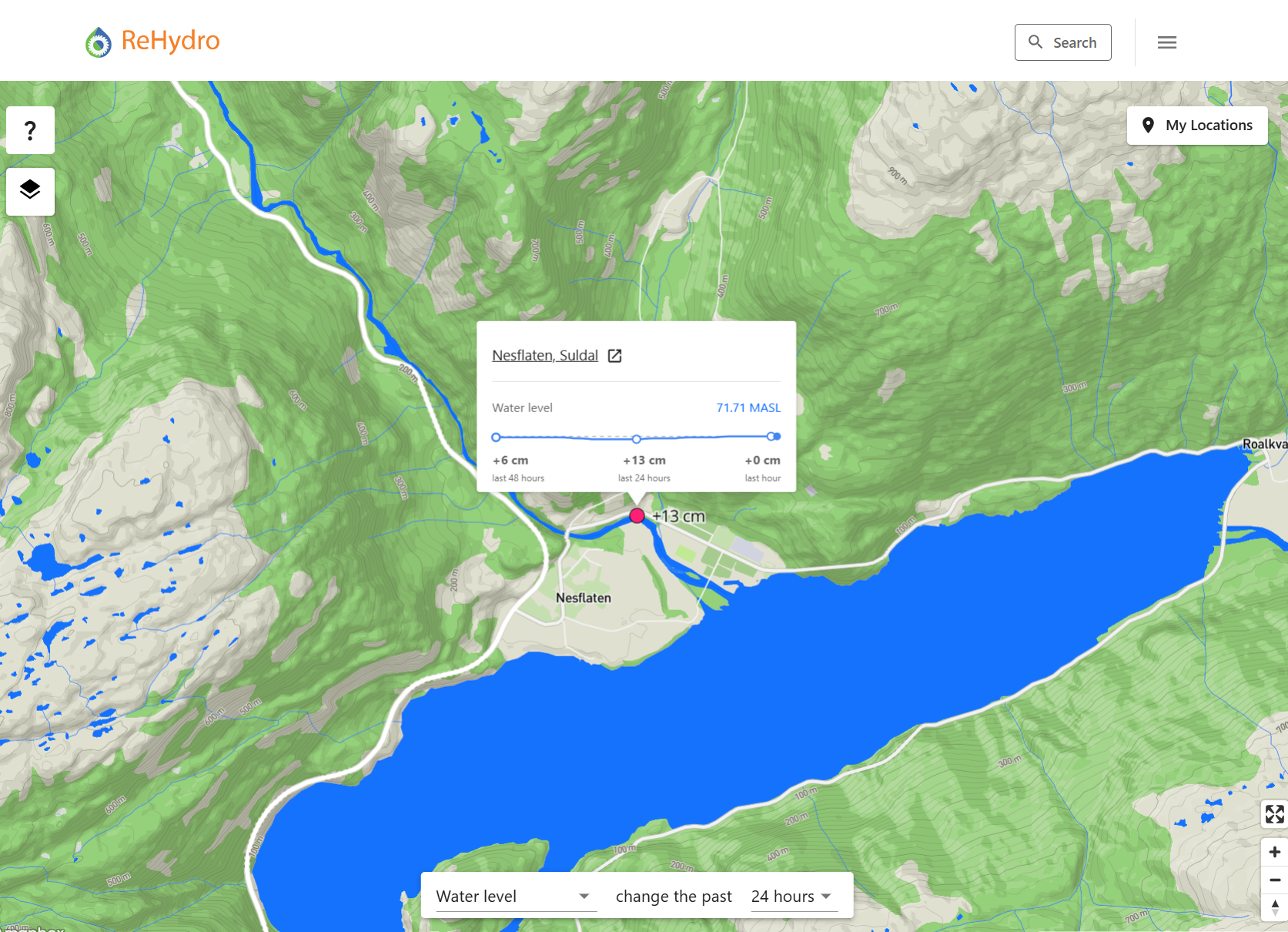
ReHydro partner Intoto just installed an online monitoring system in the river Brattlandsdalsåi, Norway- helping bridge the gap between physical rivers and digital insights.

Brattlandsdalsåi is part of Røldal-Suldal Kraftverkene (RSK), one of our demonstration sites that is owned by our partner Lyse. The monitoring system installed by Intoto provides real-time information about the water level and flow in the river.

This work is one of ReHydro’s activities to discover and develop new standards for sharing a river’s status with society and relevant stakeholders, and maximizing services without compromising or conflicting hydropower production. They will also bridge gaps between the physical and digital relationship between hydropower and rivers as sustainable shared environments and resources. This effort is part of work package 1 and will progress further in summer of 2025.

We can’t wait to share it with you!

Monitoring technology for more efficient hydropower plants

In Europe, around 11% of electricity is generated from hydropower every year, but 35% of the potential output is not utilised. As part of the ReHydro research project, Munich University of Applied Sciences is developing new methods for the early methods for the early detection of cavitation, one of the main causes of turbine damage.

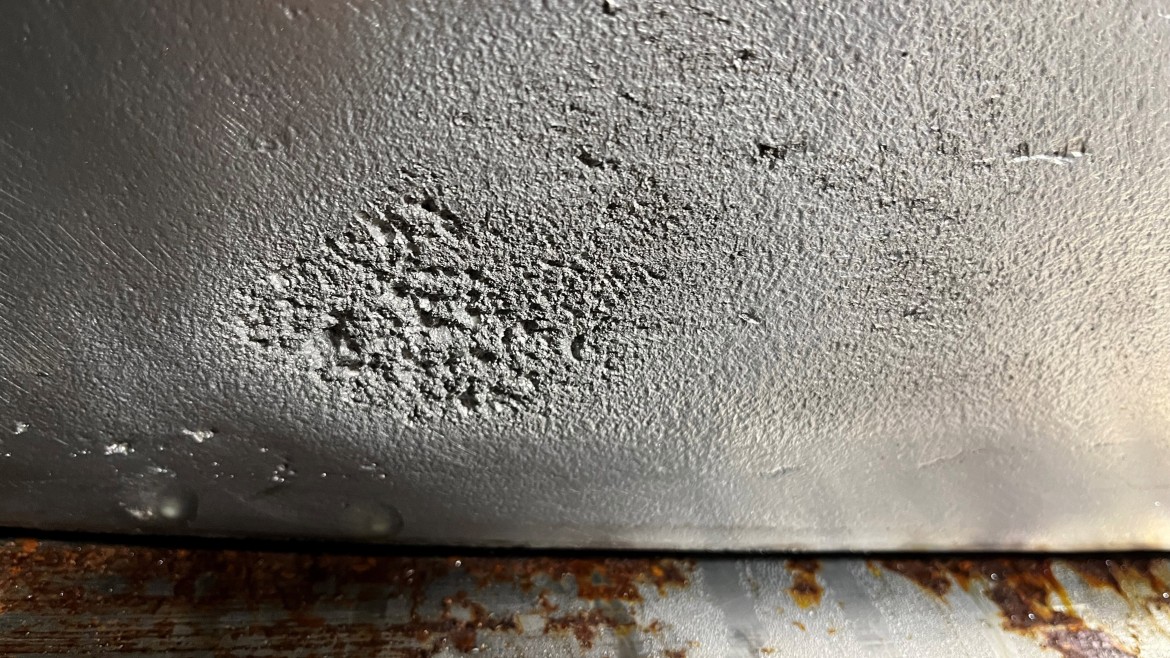
Cavitation is a hydrodynamic effect in which vapour bubbles created by a drop in pressure collapse in liquids. If this happens near solid surfaces, such as turbine blades, extreme localised pressures are created that catapult out material like a volcano, leading to material damage. Up to now, cavitation can only be recognised through cost-intensive inspections, during which the turbine has to be completely emptied. If cavitation is detected, the only option left is to limit the damage by increasing the pressures or reducing the flow rate.

To avoid this, operators run the turbines at a large safety distance from critical operating areas where the pressure could drop. However, this limits the operation of the turbine and generates less electrical power than would be possible.

Efficiency and cavitation monitoring are supposed to extend the service life of hydropower plants (Image: Elisa Schuster)
Detecting cavitation at an early stage with the help of AI

As part of the ReHydro project, funded by the EU, Prof. Busboom is working with Voith Hydro and Energias de Portugal (edp) to develop innovative measurement solutions and AI monitoring systems to reliably detect cavitation during operation and reduce expensive inspections. For example, they use ultrasonic sensors that detect the high frequencies generated during the cavitation process.

The technology is being implemented at the Valeira hydropower plant in Portugal and is intended to demonstrate how modern sensor technology and data analysis can optimise the efficiency of hydropower plants. This not only increases the flexibility of the plants, but also supports the stability of the electricity grids by extending the availability and service life of the hydropower plants. ReHydro thus makes a decisive contribution to the ecological and economic optimisation of the European hydropower industry.